Whether you’re refreshing a room or completely transforming your space, choosing the right interior paint can make all the difference. But with so many options available, it can be a bit overwhelming. Through my own experiences, I’ve learned a few key things about paint selection that I hope will help.
The Hunt For The Best Paint
When I first started redecorating, I made the mistake of thinking all paint was created equal. I would wander into any local hardware store, pick up whatever paint was on sale, and get to work. However, I quickly learned that not all paints are the same in terms of quality, coverage, and durability.
After several disappointing attempts with budget paints that required multiple coats and still didn’t provide the desired finish, I decided to take a different approach. I began visiting various paint stores, comparing brands, and speaking with staff about the best options. Eventually, I stumbled upon a specialist paint store that offered superior quality paint and expert advice. Although the paint was slightly more expensive, the results were well worth it. The lesson here? Don’t be afraid to shop around and invest in quality paint—it will save you time and frustration in the long run.
Understanding The Different Types Of Paint
One of the key things to consider when selecting interior paint is the finish. The type of finish you choose can dramatically impact the look and feel of your space. Here’s a quick rundown of the most common types:
Gloss
Gloss paint has a shiny finish and is highly durable, making it ideal for high-traffic areas or surfaces that need to be wiped clean regularly, like doors and skirting boards. However, it can highlight imperfections on walls, so be sure your surfaces are well-prepared before applying.
Matte
Matte paint has a flat finish that’s great for covering up imperfections and creating a smooth, modern look. It’s perfect for bedrooms and living rooms but can be harder to clean, so it might not be the best choice for high-traffic areas or rooms prone to moisture.
Satin & Eggshell
These finishes fall somewhere between gloss and matte, offering a bit of shine without being too reflective. They’re versatile and durable, making them a good choice for almost any room in the house.
When selecting your paint finish, consider the function of the room and how much wear and tear the walls are likely to endure. This will help you choose the right type of interior paint that balances both aesthetics and practicality.
Choose Colours That Work Together
Picking the right colour can be one of the most challenging aspects of interior painting. It’s easy to fall in love with a colour on a paint swatch, but how will it look in your space? Before committing to a colour, I recommend buying a few sample pots and testing them on your walls. Look at the colours at different times of the day, as lighting can significantly impact how the colour appears.
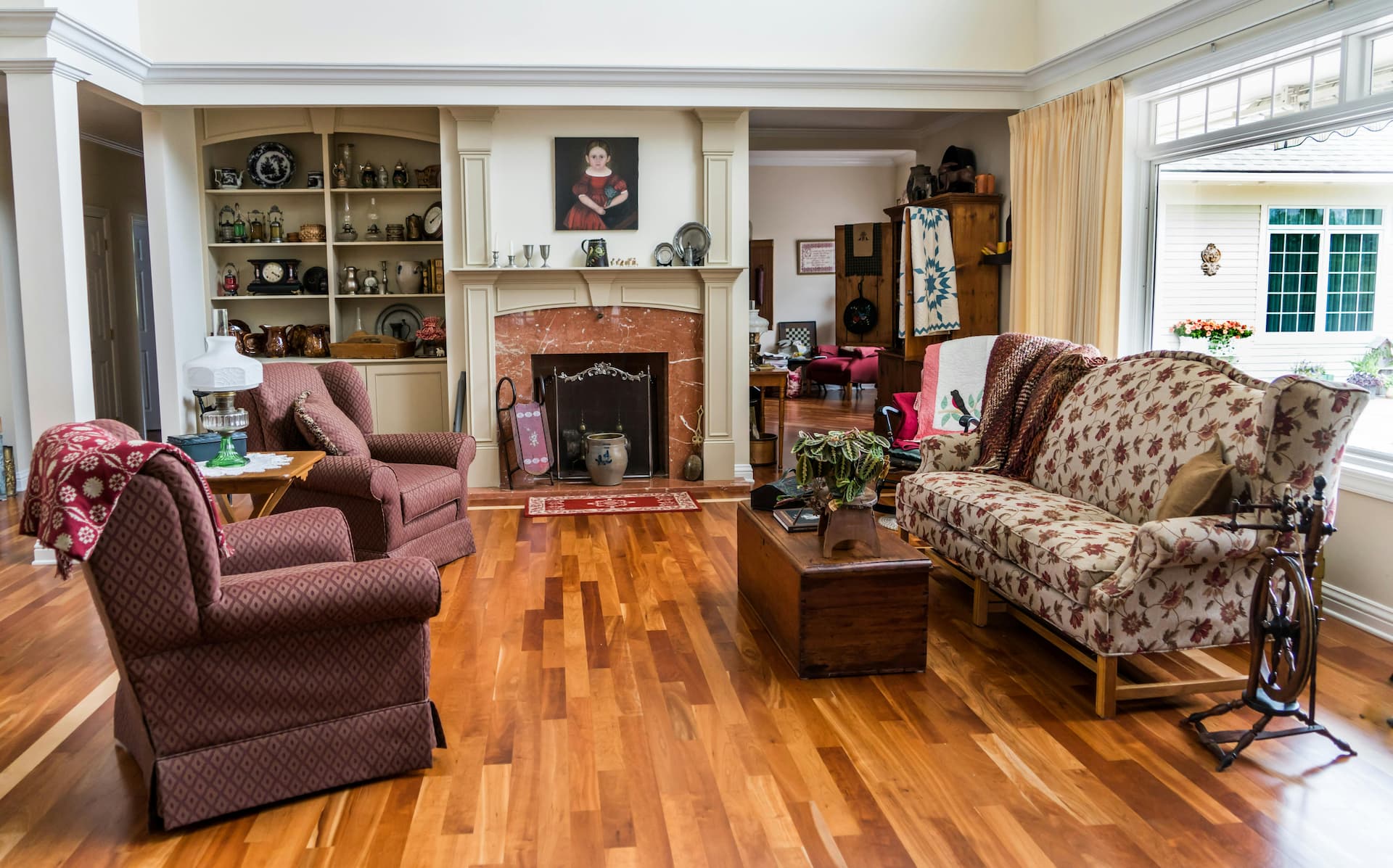
When selecting colours, think about how they will work with your existing colour scheme. Consider the colours of your furniture, fittings, and other decor elements. You want to create a cohesive look that flows from room to room. For example, if you have a lot of warm, earthy tones in your living room, you might want to choose a complementary warm tone for your hallway or adjoining rooms.
Don’t be afraid to mix and match, either. An accent wall in a bold colour can add interest and depth to a room, while neutral tones on the other walls keep the space feeling balanced. The key is to find colours that harmonise with each other and create the atmosphere you want in your home.
Match Interior Paint With Furniture And Fittings
Another important consideration is how your chosen interior paint colour will work with your existing furniture and fittings. It’s easy to overlook this step, but getting it right can make a huge difference in the overall look of your room.
For example, if you have dark wooden furniture, a light or neutral wall colour can create a striking contrast and prevent the room from feeling too heavy. On the other hand, if you have lighter furniture, a bolder wall colour can add warmth and character to the space.
When it comes to fittings like door handles, light fixtures, or even kitchen cabinets, think about how the paint colour will complement these elements. The goal is to create a look where everything works together harmoniously.
Tools Of The Trade
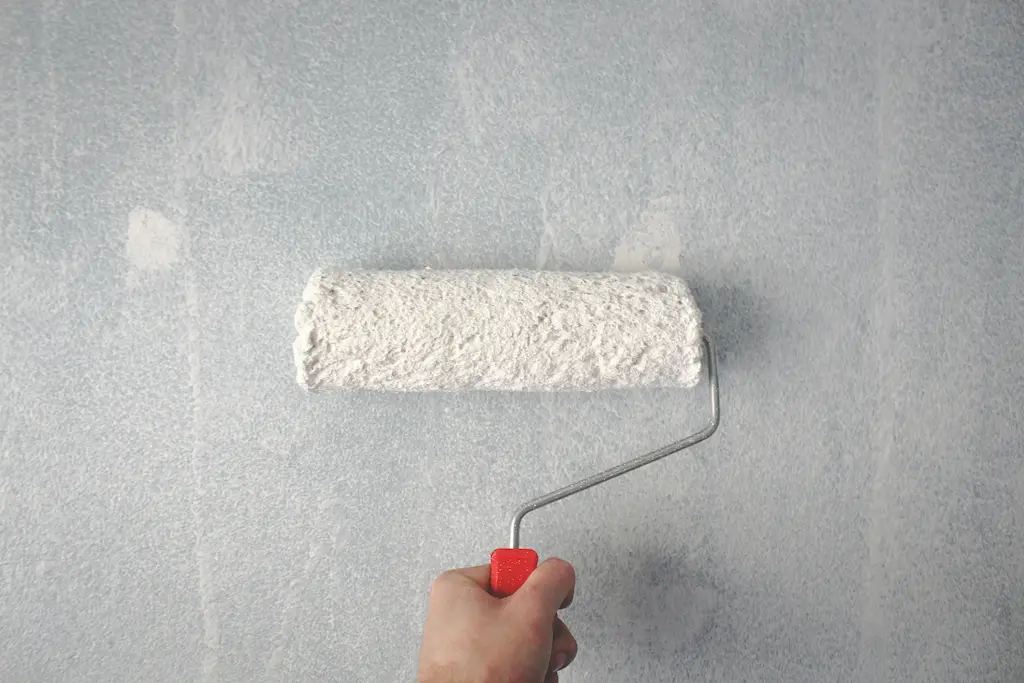
While choosing the right interior paint is crucial, having the right tools is equally important. A good quality brush or roller can make a big difference in the finish you achieve. For most walls, a roller is the best choice as it provides even coverage and speeds up the process. However, for cutting in around edges and corners, a high-quality brush is essential.
Another handy tool is a paint calculator, which helps you determine how much paint you’ll need for your project. It’s better to buy slightly more paint than you think you’ll need to ensure you don’t run out halfway through.
Finally, don’t forget to prep your space properly before you start painting. This includes covering floors and furniture with protective sheets, taping off edges, and making sure the walls are clean and smooth.