When It Comes To DIY Home Demolition.. Safety First, Always
While it’s tempting to dive straight in, safety should never take a backseat. I quickly learned that demolition, even on a small scale, can be dangerous. One moment of carelessness can lead to injury. So, here’s my advice: always wear your safety gear, be mindful of your surroundings, and never assume that just because it’s DIY, it’s risk-free.
A quick check for any electrical wires or plumbing behind the walls before you start swinging is essential. You don’t want to turn your DIY project into a disaster.
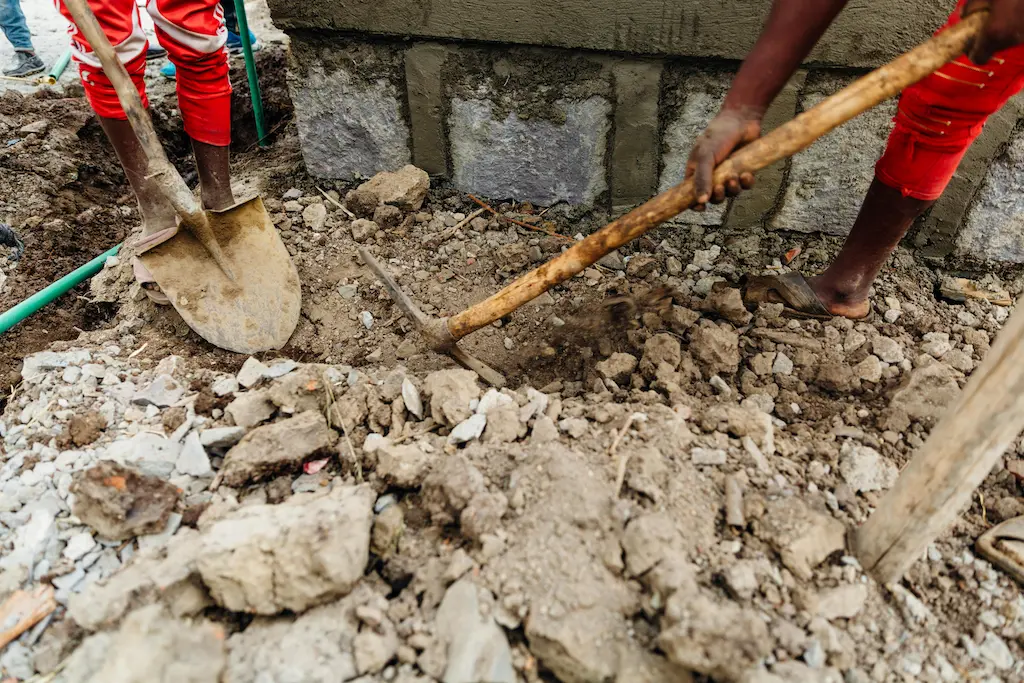
The Reality of Demolishing Your Own Home
Now, here’s where things got interesting. My initial plan was simple—take down a single wall in a day. But as I got carried away with the excitement of smashing through plasterboard, I ended up tackling far more than I should have. Before I knew it, I’d created a mess that seemed impossible to manage.
The clean-up was overwhelming. I hadn’t thought about where all the debris would go, and I certainly hadn’t prepared for the sheer volume of waste. It turns out that skipping the step of organising a skip or waste removal service beforehand was a rookie mistake. So, here’s my tip: always plan for the mess. Demolition is dirty work, and without a plan for disposal, you’ll find yourself buried under a mountain of rubble.
Mistakes I Made & How To Avoid Them
As with any first project, mistakes were made. Here are a few key lessons I learned the hard way:
Don’t demolish too much at once. It’s easy to get carried away, but try to focus on one section at a time. This makes the process more manageable and less chaotic.
Plan for waste disposal. Whether it’s hiring a skip or arranging a few trips to the local tip, make sure you have a clear plan for where the debris will go.
Know your limits. While DIY is great, some tasks are best left to professionals. If you encounter structural walls or complex wiring, it’s time to call in the experts.
When to Call a Professional
Speaking of professionals, it’s important to recognise when you’re out of your depth. Interior walls and ceilings are doable for most DIY enthusiasts, but anything beyond that—like load-bearing walls or extensive electrical work—requires a pro. Don’t let pride or budget constraints stop you from seeking help when it’s needed. After all, your home’s integrity is at stake.
The End Result
Despite the challenges, there’s something incredibly rewarding about completing a DIY demolition project. Sure, it wasn’t as smooth as I’d hoped, and yes, I made a few mistakes along the way, but in the end, I had a more open, inviting space that I could proudly say I created with my own hands.
If you’re thinking about diving into a DIY demolition project, go for it! Just remember to start small, stay safe, and always have a plan for what comes after the dust settles. With a bit of preparation and a lot of enthusiasm, you’ll be well on your way to transforming your home, one wall at a time.